What Does Normal Alignment of Teeth Look Like? Find Out Now!
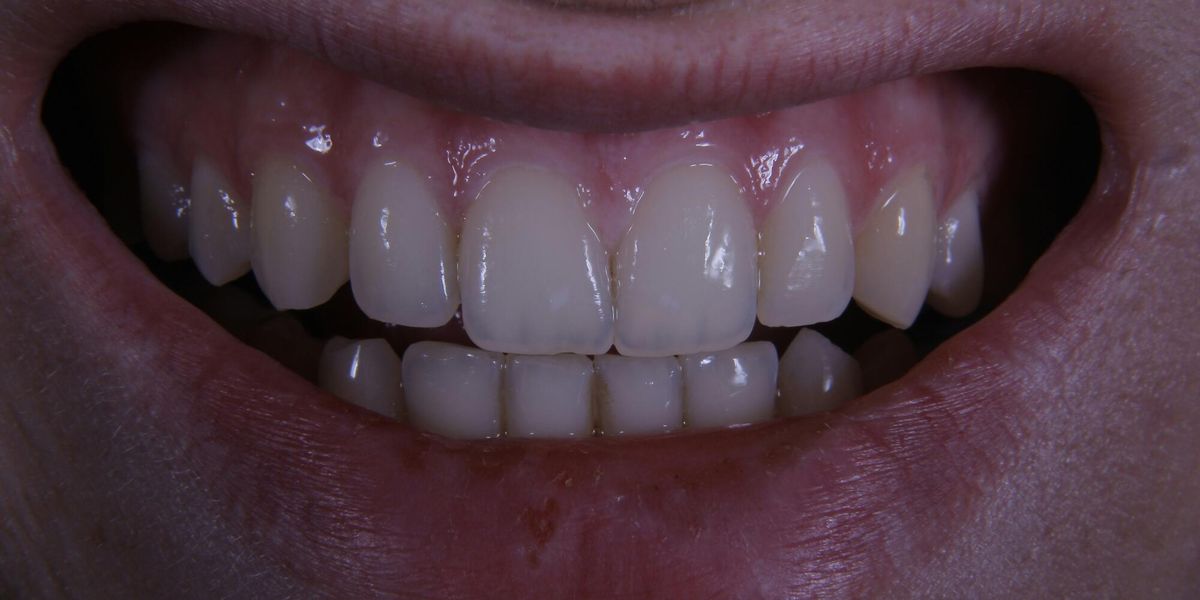
Normal alignment of teeth means your teeth sit in balanced positions that support comfort, function, and overall oral health. Proper alignment allows teeth to meet evenly and work together during chewing and speaking. It also helps protect gums and jaw joints from excess stress.
Studies show that adults with orthodontic care often report improved confidence and daily comfort after treatment, according to research shared by the American Association of Orthodontists. A well-aligned smile supports health at every age. Understanding what proper alignment looks like helps you spot issues early and make informed care decisions.
This guide explains how aligned teeth should look, how alignment affects daily life, and when orthodontic care in Kentucky may help protect long-term dental health.
What Does Normal Alignment Of Teeth Look Like?
Normal alignment of teeth creates balance across the entire mouth. Upper teeth rest slightly over lower teeth when biting. Each tooth touches its neighbor without crowding.
Teeth should sit straight within the jaw line. Spacing appears even and intentional. Bites close smoothly without shifting.
This type of dental alignment reduces uneven wear. It also supports stable jaw movement during daily use.
Why Does Proper Teeth Alignment Matter?
Teeth positioning affects more than appearance. Aligned teeth distribute pressure evenly during chewing. This helps prevent enamel damage.
Alignment also protects the jaw joints from strain. Poor positioning can force muscles to work harder. Over time, this may cause pain or fatigue.
Proper alignment supports gum health. It also makes daily cleaning easier.
Key Features Of Healthy Tooth Alignment
A healthy smile shows balance and symmetry. Teeth appear upright rather than tilted. The bite closes in a predictable pattern.
Spacing feels natural and controlled. Teeth do not overlap or twist. Gums appear even and calm.
Healthy alignment supports comfort during speaking and eating. These signs often appear together in well-balanced mouths.
Even Spacing Between Teeth
Even spacing allows floss to pass easily. It also helps prevent food buildup. This supports long-term dental health.
Spacing that feels forced or uneven may signal alignment issues. Early care can help restore balance.
Balanced Bite Contact
A balanced bite allows teeth to meet evenly. No single tooth carries extra pressure. This protects enamel.
Uneven contact may cause chips or cracks. Balanced alignment reduces this risk.
How Dental Alignment Affects Daily Life
Dental alignment influences comfort during basic tasks. Chewing feels smoother with aligned teeth. Speech may sound clearer.
Proper alignment often improves confidence during conversation. People feel more relaxed when their bite works naturally.
Alignment also supports better oral hygiene habits. Straight teeth are easier to clean.
Alignment And Long-Term Dental Health
Aligned teeth are easier to maintain. Brushing becomes more effective, and flossing reaches tight areas.
Good alignment reduces plaque buildup, which supports healthier gums. Long-term dental health improves with balanced alignment.
Common Signs Teeth Are Not Properly Aligned
Some alignment issues appear gradually, while others show up early. Awareness helps guide timely care.
- Overlapping teeth
- Uneven bite closure
- Jaw discomfort
- Difficulty flossing
These signs may affect the comfort or function of your teeth, even making it harder to eat. Getting an orthodontic evaluation in Kentucky can help you clarify the next steps.
Does Perfect Alignment Mean Cosmetic Perfection?
Perfect alignment does not mean every tooth looks the same. Healthy smiles have natural shape and size differences. Alignment is about how teeth fit and work together.
A smile can look natural and still be properly aligned. Orthodontic treatment focuses on comfort, balance, and long-term stability.
Better appearance often follows, but proper function always comes first.
When Should Alignment Be Evaluated?
Children benefit from early evaluation. The American Association of Orthodontists recommends a first orthodontic visit by age seven. Early checks help guide jaw growth and may reduce future treatment time.
Adults can also benefit from evaluation, as alignment changes over time.
How Orthodontic Care Supports Proper Alignment
Orthodontic care guides teeth into healthier positions. Treatment plans vary based on individual needs.
Modern care focuses on comfort and precision. Many options support gradual improvement. Learn more about available dental services that address alignment concerns.
Braces And Alignment Correction
Braces apply controlled pressure to teeth. This encourages steady movement into alignment.
They remain effective for complex alignment issues. Details about braces explain how they support precise correction.
Clear Aligners For Subtle Shifts
Clear aligners guide teeth using removable trays. They work well for mild to moderate alignment needs.
Aligners allow flexibility during daily routines. More information about clear aligners explains how they support comfort.
Frequently Asked Questions
What Is Considered Normal Alignment Of Teeth?
Normal alignment of teeth means that teeth sit evenly within the jaw and meet properly when biting. Upper teeth overlap lower teeth slightly. Each tooth has space without crowding.
This alignment allows smooth chewing and stable jaw movement. It also helps protect enamel from uneven wear.
Can Dental Alignment Change Over Time?
Yes. Teeth can shift due to age, habits, or missing teeth. Even adults may notice gradual movement.
Regular dental visits help track these changes. Early care can prevent worsening alignment issues.
Does Alignment Affect Overall Health?
Alignment affects chewing efficiency and jaw comfort. Poor positioning may strain muscles. Research from the NIH shows that more adults are seeking orthodontic care to improve comfort and well-being.
Is Orthodontic Care Only For Children in Kentucky?
No. Adults of all ages benefit from orthodontic care in Kentucky. Treatment plans adapt to mature teeth.
Adult alignment care often focuses on comfort and function. Options are flexible and discreet.
How Long Does Alignment Treatment Take?
Treatment length depends on alignment needs. Mild cases may take months, while complex cases can take longer. Your orthodontist can provide an estimated timeline after evaluation.
Supporting Confident Smiles Across Kentucky
Understanding normal alignment of teeth helps protect comfort, appearance, and dental health at every stage of life. Proper alignment supports daily function and long-term stability.
White, Greer & Maggard Orthodontics stands out through advanced technology, extended patient access, and treatment plans designed for faster results with fewer visits. Families across Kentucky trust this approach for personalized care that fits real-life schedules.
If you are ready to support a healthier smile and better dental alignment, find a location near you in Kentucky to book a free consult.
Continue Reading
Award-Winning Smiles